


Vaccines and immunizations are essential components of public health, significantly contributing to the prevention of infectious diseases. By stimulating the immune system to recognize and combat pathogens, vaccines protect both individuals and communities. This proactive approach not only safeguards children’s health but also plays a crucial role in the broader effort to eradicate diseases that have historically posed serious threats. Understanding the importance of vaccines, their recommended schedules, and addressing common misconceptions is vital for parents and caregivers in making informed health decisions for their children.
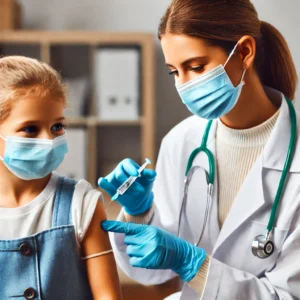
Vaccine and Immunization Schedules for Children
Vaccination schedules are carefully designed timelines that outline the recommended ages for administering vaccines to children, ensuring they receive the necessary immunizations at optimal times to build robust immunity against various diseases. The Centers for Disease Control and Prevention (CDC) provides guidelines that include key vaccines for different age groups. In infancy (0-12 months), essential vaccines include Hepatitis B, DTaP (diphtheria, tetanus, and pertussis), Hib (Haemophilus influenzae type b), IPV (inactivated poliovirus), and PCV (pneumococcal conjugate vaccine). During early childhood (1-5 years), additional doses of DTaP, IPV, MMR (measles, mumps, rubella), and Varicella (chickenpox) are typically administered. As children reach school age (6-18 years), they may receive boosters for Tdap (tetanus, diphtheria, and pertussis), along with vaccines for HPV (human papillomavirus) and meningococcal disease, particularly before entering middle school or high school. Adhering to these schedules is crucial, as timely vaccinations help protect children from serious health risks. Regular check-ups with a pediatrician ensure that vaccinations remain up to date and allow parents to address any questions about the schedule. By following the recommended vaccine schedules, families contribute to the overall health and safety of their community.
Immunization and Vaccine Schedules for Children
-
Importance of Immunization
-
Overview of Vaccine Schedules
-
Vaccines for Infants (0-12 months)
- Hepatitis B
- DTaP (diphtheria, tetanus, and pertussis)
- Hib (Haemophilus influenzae type b)
- IPV (inactivated poliovirus)
- PCV (pneumococcal conjugate vaccine)
- These vaccines establish a strong immune foundation.
-
Vaccines for Early Childhood (1-5 years)
- Additional DTaP doses
- IPV booster
- MMR (measles, mumps, rubella)
- Varicella (chickenpox)
-
Vaccines for School Age (6-18 years)
- Booster for Tdap
- HPV (human papillomavirus)
- Meningococcal disease vaccine
-
Regular Health Consultations